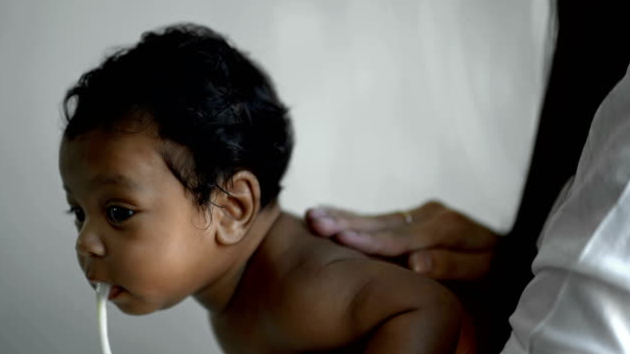
What is Pediatric Gastroesophageal Reflux?
Pediatric Gastroesophageal Reflux (GER) is a common condition in infants where stomach contents flow back into the esophagus. This is a normal and usually harmless process that occurs in most infants, often referred to as spitting up or regurgitation.
When is GER Considered Normal?
- Frequency: Occasional spitting up is normal. It is common for infants to spit up after feedings.
- Comfortable Feeding: If your baby is gaining weight, seems comfortable during and after feedings, and is generally content, GER is likely not a cause for concern.
- Age: GER often peaks around 2 to 4 months and typically improves as babies start to sit up and eat solid foods.
Signs to Watch for in GER
- Persistent Vomiting: If your baby is consistently vomiting forcefully after each feeding, it is a reason for concern.
- Weight Loss or Poor Weight Gain: If your baby is not gaining weight or is losing weight, consult your healthcare provider.
- Feeding Difficulties: If feeding becomes difficult or uncomfortable for your baby, it is time to medical seek advice.
Warning Signs for Reflux Complications
- Frequent Respiratory Issues: If your baby has chronic coughing, wheezing, or respiratory issues, it might indicate GER-related complications.
- Blood in Vomit or Stool: If you notice blood in your baby’s vomit or stool, seek immediate medical attention.
- Discomfort or Refusal to Feed: Persistent discomfort during or after feeding, or refusal to eat, may be indicative of a more severe reflux issue.
Consult Your Healthcare Provider When…
- Concerns Persist: If you notice persistent symptoms or feel uneasy about your baby’s well-being contact your healthcare provider.
- Unsettled Behavior: If your baby seems consistently uncomfortable or fussy, it is important to discuss this with your healthcare provider.
- Parental Instinct: Trust your instincts as a parent. If something feels off, seek guidance.
Tips for Managing GER
- Burp Your Baby: Make sure to burp your baby frequently during feedings to minimize air intake.
- Positioning: Keep your baby upright during and after feedings to reduce the likelihood of reflux.
- Feed Smaller Amounts More Frequently: Offering smaller, more frequent feedings can help manage reflux symptoms.
Conclusion
Pediatric Gastroesophageal Reflux is often a normal part of infancy. However, being vigilant and aware of warning signs is crucial. Trust your instincts and maintain open communication with your healthcare provider. With proper guidance and care, most infants with GER will outgrow it without complications.
Remember, you are not alone in this journey. We are there to support you and address any concerns you may have about your baby’s health.