
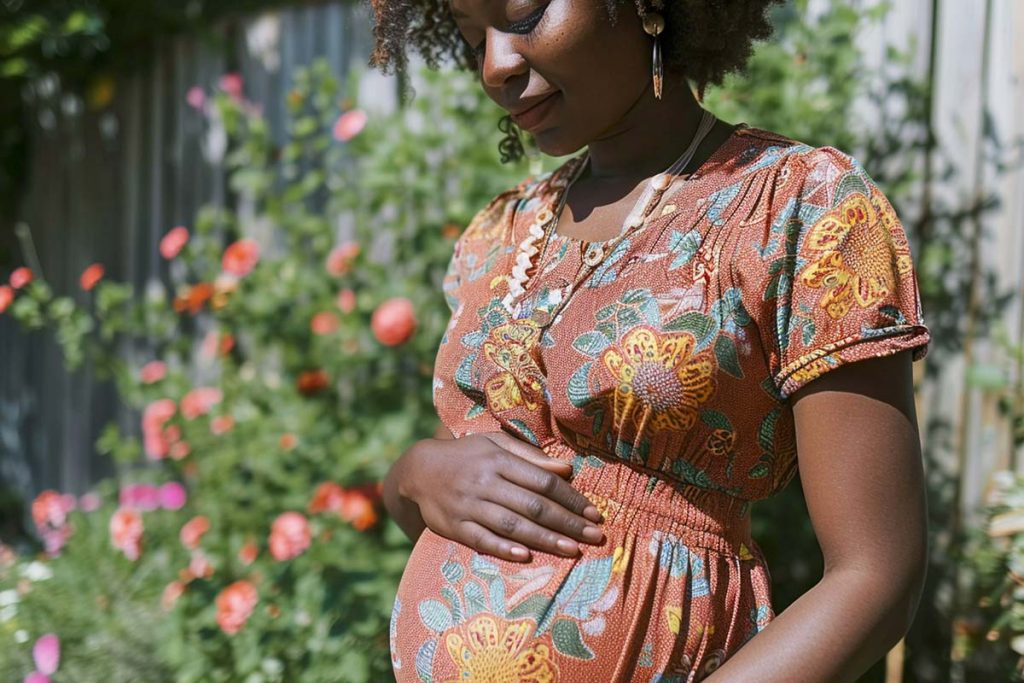
As you prepare for the birth of your child, it is natural to have questions and concerns about delivery methods and their potential impacts on your baby’s health. One topic of interest is Cesarean Section (CS) delivery and its association with allergy risk. This pamphlet aims to provide you with information to make informed choices regarding CS delivery and its potential implications for your child’s health.
Understanding Cesarean Section Delivery: A Cesarean Section, commonly known as a C-section, is a surgical procedure used to deliver a baby through incisions in the mother’s abdomen and uterus. While CS delivery is often necessary for medical reasons, such as complications during pregnancy or labor, it can also be planned in advance for various reasons, including maternal preference.
CS Delivery and Allergy Risk: Research suggests that babies born via Cesarean Section may have a slightly increased risk of developing allergies compared to those born vaginally. This association is believed to be related to differences in the establishment of the infant’s microbiome, the community of microorganisms that inhabit the body, particularly the gut.
During vaginal birth, babies are exposed to maternal vaginal and fecal bacteria, which play a crucial role in seeding the infant’s microbiome. These early microbial exposures help train the infant’s immune system and contribute to its development. In contrast, babies born via Cesarean Section miss out on this initial microbial exposure, which could potentially affect immune system maturation and increase the risk of allergic diseases.
Factors Influencing Allergy Risk: It is essential to understand that while CS delivery may be a contributing factor, it is not the sole determinant of allergy risk. Several other factors can influence a child’s likelihood of developing allergies, including:
- Genetics: Family history plays a significant role in determining allergic predisposition. If one or both parents have allergies, their child may be more susceptible to developing allergic conditions.
- Environmental Exposures: Exposure to allergens, pollutants, dietary factors, and other environmental triggers can influence the development of allergies.
- Breastfeeding: Breastfeeding provides infants with essential nutrients and immune factors that can help reduce the risk of allergies. Exclusive breastfeeding for the first six months of life is recommended by health experts.
Making Informed Decisions: As an expectant mother, you may have preferences regarding your birthing experience. While CS delivery may be necessary in certain situations, such as emergencies or medical indications, it is essential to discuss your options with your healthcare provider. If you are considering elective CS delivery, weigh the potential benefits and risks, including its association with allergy risk.
Regardless of the mode of delivery, there are steps you can take to promote your child’s health and well-being:
- Discuss your concerns and preferences with your healthcare provider during prenatal visits.
- If possible, aim for a vaginal birth, unless medically contraindicated.
- Breastfeed your baby exclusively for the first six months, if possible, and continue breastfeeding alongside complementary foods for up to two years or longer.
In conclusion, while Cesarean Section delivery may be associated with a slightly increased risk of allergies, it is essential to consider multiple factors when making decisions about childbirth. By staying informed, discussing your options with your healthcare provider, and focusing on promoting your child’s overall health and well-being, you can make the best choices for you and your baby.
Remember, every birth is unique, and what matters most is the health of both mother and child.

