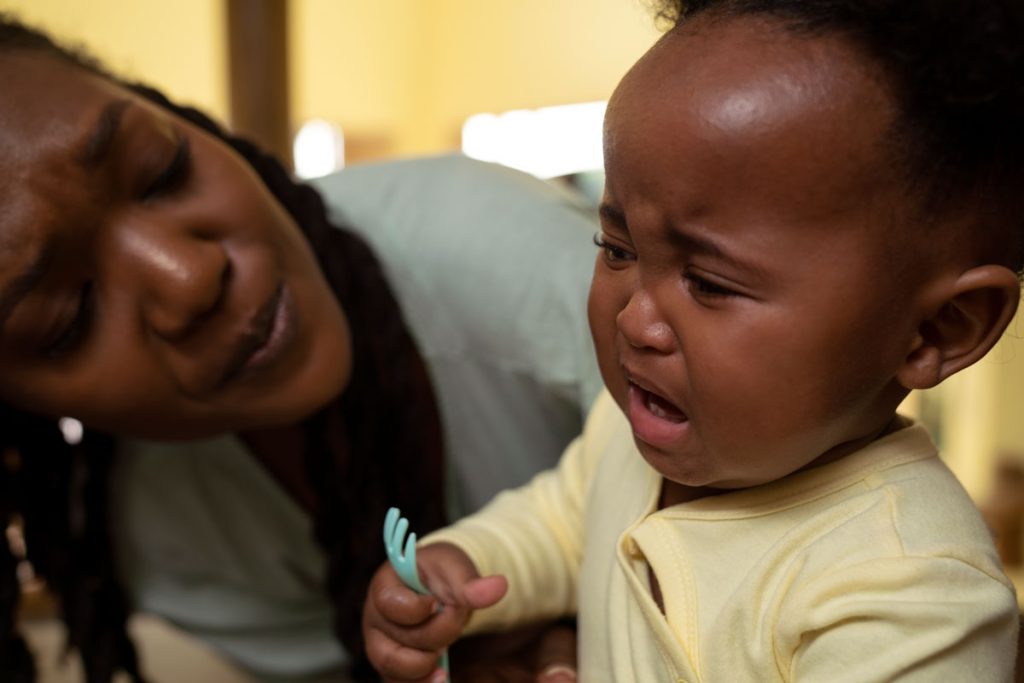
Parenthood is a journey filled with joy and challenges. One common concern many parents face is childhood constipation. It’s a topic that might be uncomfortable, but addressing it is crucial for your child’s well-being. This pamphlet aims to provide you with essential information and practical tips to manage childhood constipation effectively.
What is Childhood Constipation?
Constipation is a condition where bowel movements become infrequent or difficult to pass. In children, it’s often characterized by:
- Less than three bowel movements per week.
- Stool that is hard, dry, and difficult to pass.
- Straining during bowel movements.
- Feeling full or bloated.
- Abdominal pain or discomfort.
Common Causes:
Constipation can be due to a diet that does not include enough water and fiber, which help the intestines to move as they should. Children who eat a lot of processed foods, cheeses, dairy products and meats may become constipated fairly often.
Sometimes, medicines like pain medicines, and those used to treat iron deficiency can cause constipation. Constipation can happen in infants as they move from breast milk to baby formula, or from breastfeed milk to solid food. Toddlers who are toilet training sometimes can become constipated, especially if they are not ready.
Some children avoid going to the bathroom, even when they really have the urge to go. They might ignore the urge because they do not want to use a toilet away from home, they do not want to stop playing a fun game. Ignoring the urge to poop makes it harder and painful to go later.
Stress also can lead to constipation. Children can develop constipation when they are anxious about something, like starting at a new school or problems at home. Research has shown that emotional upsets can affect how well the digestive system works and can cause constipation and other conditions, like diarrhea.
Some children can develop constipation because of a condition known as irritable bowel syndrome or in short, IBS. This can occur when they are stressed or eat certain trigger foods, which often are fatty or spicy. A child with IBS may have either constipation or diarrhea, as well as stomach pain and bloating.
Certain medical conditions may contribute to constipation, therefore talk to your doctor if your child continues to have problems despite the measures suggested below.
Tips for Managing Childhood Constipation:
- Hydration is Key: Ensure your child drinks plenty of water throughout the day to soften stools. Most school-age children need at least 4 to 6 glasses of water each day.
- Fiber-Rich Diet: Include fruits, vegetables, and whole grains in their meals for a healthy dose of fiber. A diet full of fatty, sugary, or starchy foods can slow down the intestinal movements.
- Regular Toilet Habits: Encourage your child to use the toilet regularly, especially after meals. Eating is a natural stimulant for the bowels, so regular meals may help children develop routine bowel habits.
- Physical Activity: Promote regular physical activity to stimulate bowel movements
- Establish a Routine: Establish a consistent daily routine, including meal and toilet times. Schedule breakfast a little earlier to give your child a chance for a relaxed visit to the toilet before going to school.
- Limit Processed Foods: Reduce the intake of processed foods that may contribute to constipation.
When to Seek Professional Help:
If your child’s constipation persists despite these efforts, or if you notice any of the following signs, it’s essential to consult a healthcare professional:
- Blood in stools.
- Severe abdominal pain.
- Weight loss.
- Bowel movements accompanied by fever.
Conclusion:
Addressing childhood constipation requires patience and consistency. By incorporating healthy habits into your child’s daily routine and being attentive to their needs, you can help them maintain regular bowel movements and overall well-being.
Remember, you’re not alone in this journey. If you have concerns or questions, don’t hesitate to consult with your child’s healthcare provider for personalised advice.
Wishing you and your little one a happy and healthy journey through childhood!